
Totenkopf

Totenkopf

     David Angel

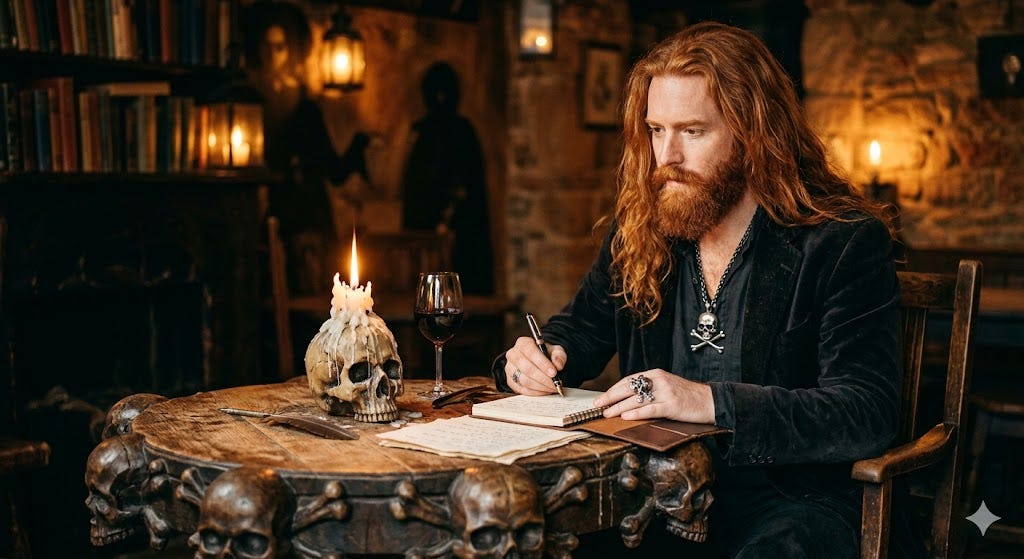
I like skulls and crossbones
Rocks and candles, pendants, rings
Hit me after Platner, well
Really ought to know some things

Like how to tell the two apart
Jolly Roger, harmless art
From bones and skeletons that ring
of gas chambers and Nazi things

Honestly, I did not know
but I knew how to look it up
Just like that liar Platner did
for eighteen years, when he wore his

PoetNote -

“Traditional pirate skull-and-crossbones: Usually shows a full skull with two crossed bones underneath. The skull is often depicted front-facing and relatively simple.

Hazard-warning skull-and-crossbones: Used on poison labels and safety signs. It is typically stylized for clarity rather than historical symbolism.

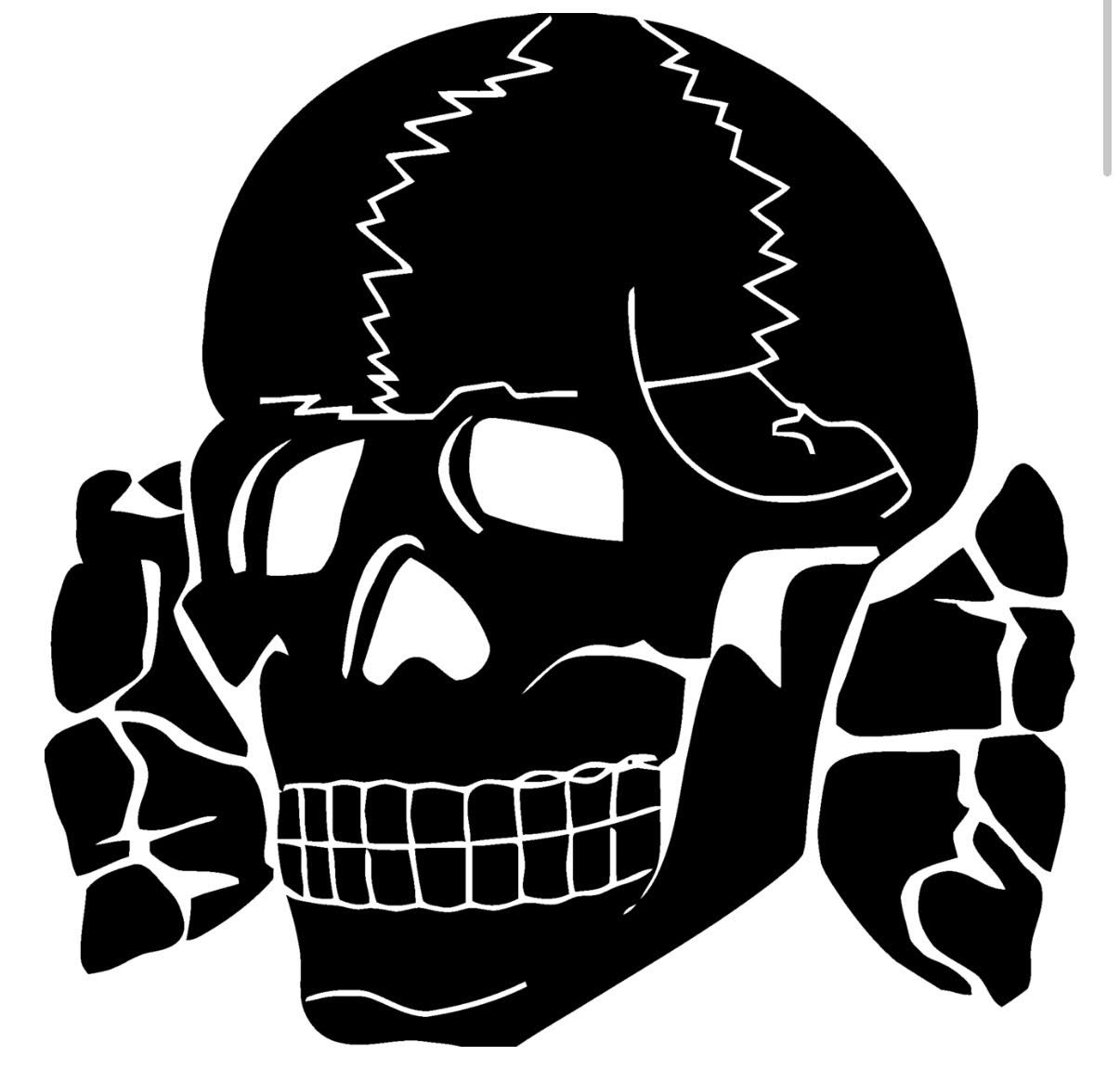
Totenkopf insignia: Often features a skull without the lower jaw, or with distinctive detailing, and the crossed bones may appear behind the skull rather than beneath it. Different military organizations used different versions.

The version most people associate with Nazi Germany is the Schutzstaffel Totenkopf. It typically has:

* A highly detailed skull.
* Crossed bones positioned behind the skull.
* A distinctive shape used on SS caps and uniforms.

However, there is no single visual feature that always distinguishes a Totenkopf from an “ordinary” skull and crossbones. Context matters:

* If it’s on a poison label, it’s probably a hazard symbol.
* If it’s on a pirate flag, it’s likely a Jolly Roger.
* If it’s on a military-style cap, badge, or historical uniform associated with Germany, it may be a Totenkopf.”

- ChatGPT
Pic 1 - Ordinary skulls - Google Gemini
Pic 2 - Totenkopf skull - wikimedia commons. org
Licensed under Creative Commons Attribution-Share Alike 4.0 International license
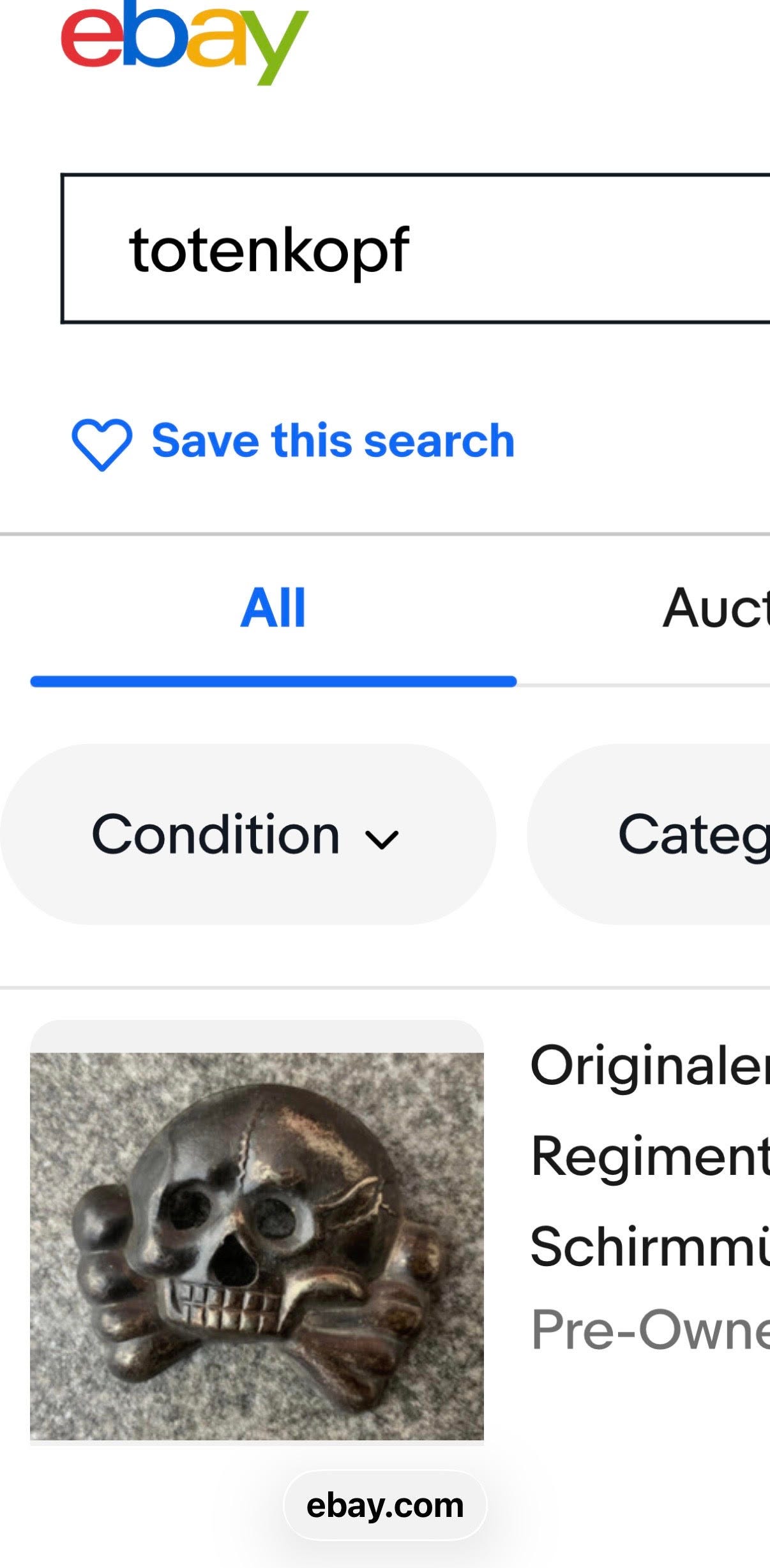
Pic 3 - Totenkopf for sale on Ebay
I still remember the Mr. Yuk mark for household poisons that briefly replaced the skull and crossbones.
Thanks for restacking Alan @alangirlimg !